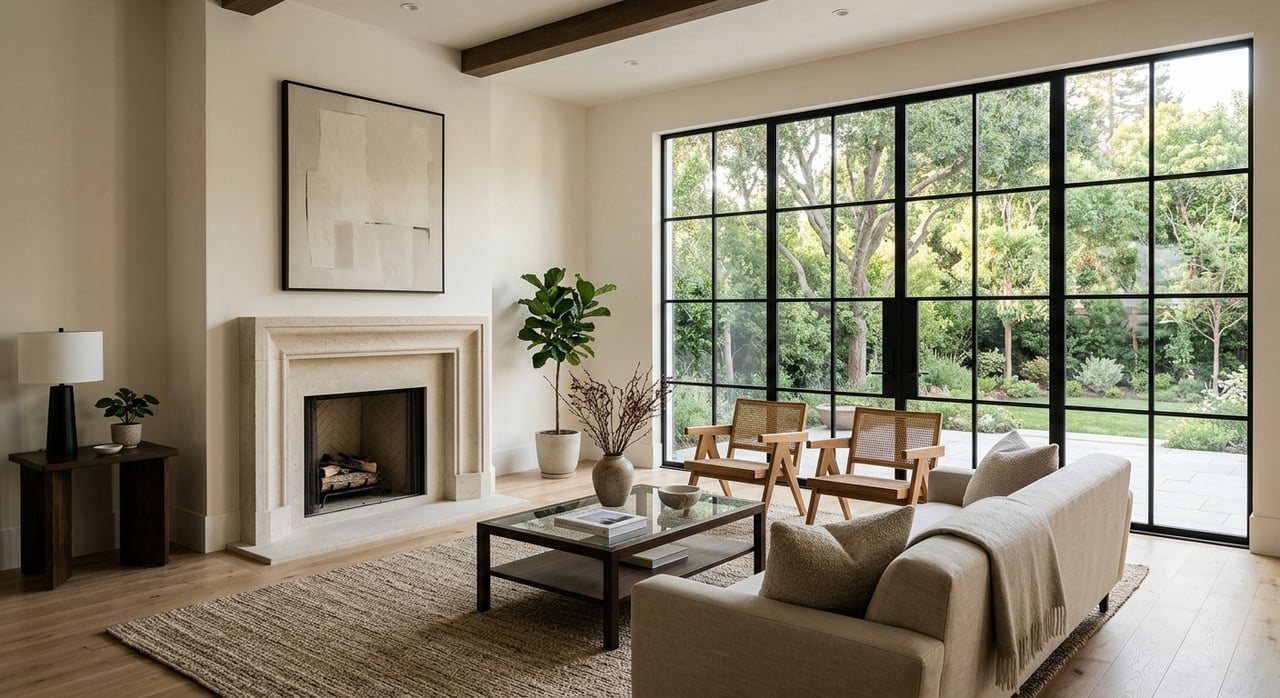
If you are thinking about downsizing in Barrington Hills, you may already know this move looks different from a typical "less house, less hassle" plan. Here, right-sizing often means balancing space, privacy, and land with a simpler day-to-day lifestyle. The good news is that with the right strategy, you can reduce upkeep without giving up what matters most to you. Let’s dive in.
Why downsizing in Barrington Hills is unique
Barrington Hills is not a conventional downsizing market. The village covers about 29 square miles and is almost entirely residential, with many properties on 1 to 10 or more acres and a long-standing five-acre minimum zoning legacy.
That local pattern shapes what downsizing looks like. Instead of moving straight into dense housing or a shared-wall community, you may be choosing a smaller home that still offers privacy, outdoor space, and a quieter setting.
Barrington Hills also has a distinct infrastructure setup. Many homes rely on private wells and septic systems, and the village does not provide water and sewer service or municipal waste pickup. That means your next home may still come with some property systems and service arrangements you will want to review carefully.
Start with your version of right-sizing
Before you look at square footage, think about what you actually want your next chapter to feel like. For many homeowners, downsizing is less about giving something up and more about keeping the parts of homeownership they still enjoy.
You may want less interior maintenance but still want a yard. You may want fewer rooms to clean but still want space for guests, gardening, or hobbies. In Barrington Hills, those tradeoffs matter because the market often supports detached homes and outdoor living more than compact housing options.
A helpful way to begin is to make two short lists:
- What you no longer want to maintain
- What you are not ready to lose
That simple exercise can help you decide whether a smaller single-family home makes the most sense or whether a townhome or condo in a nearby community may be a better fit.
Compare your housing options
Smaller single-family home
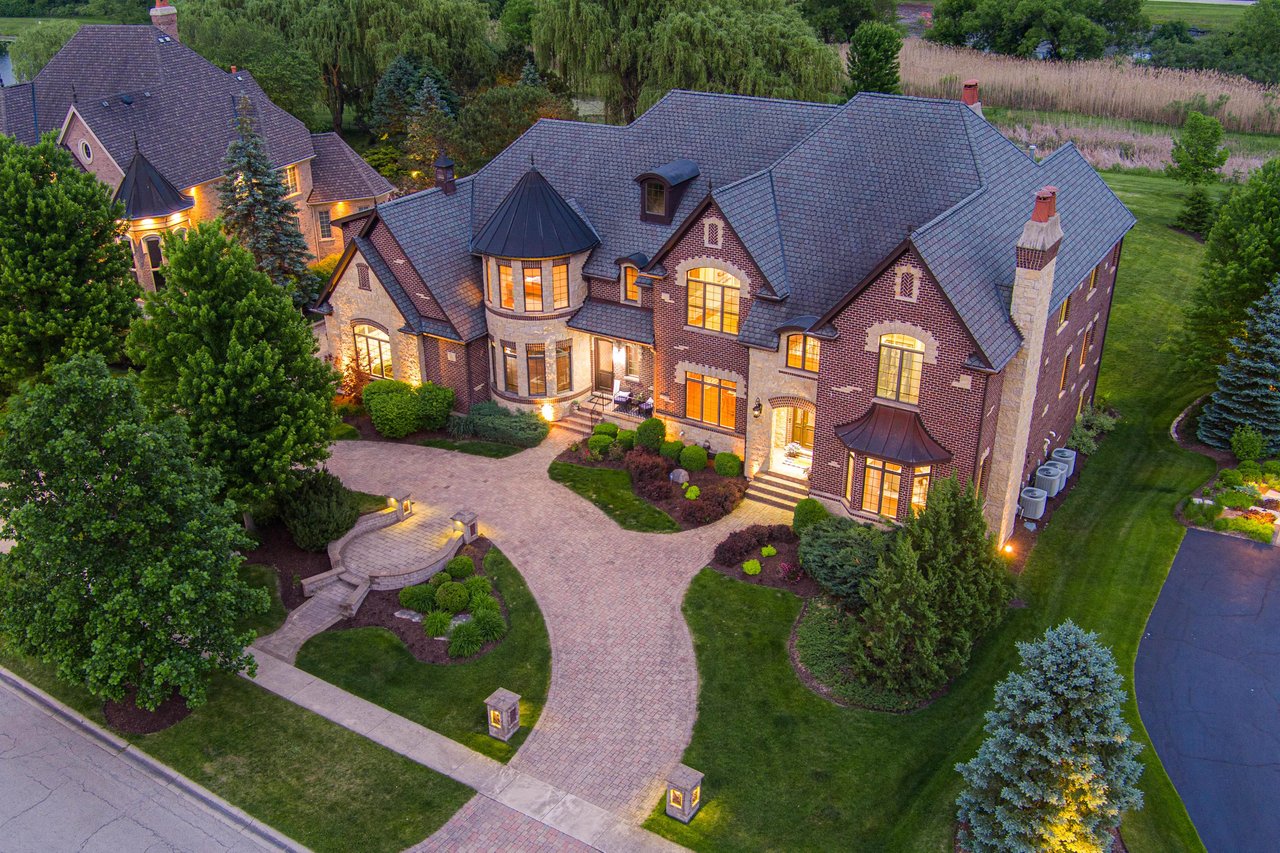
If privacy is still high on your list, a smaller single-family home may be the most natural choice. In Barrington Hills, that can mean less house to manage while still keeping land, separation from neighbors, and flexibility for outdoor use.
The village emphasizes property freedoms that support a range of lifestyle uses. Depending on the property, that may include room for gardening, backyard barns, private trails, horse ownership, or hobby-focused outdoor space.
This option can work well if you want to simplify your daily routine without moving away from the character that brought you to Barrington Hills in the first place. It is often the closest match for homeowners who want to right-size, not radically change their lifestyle.
Townhome or condo
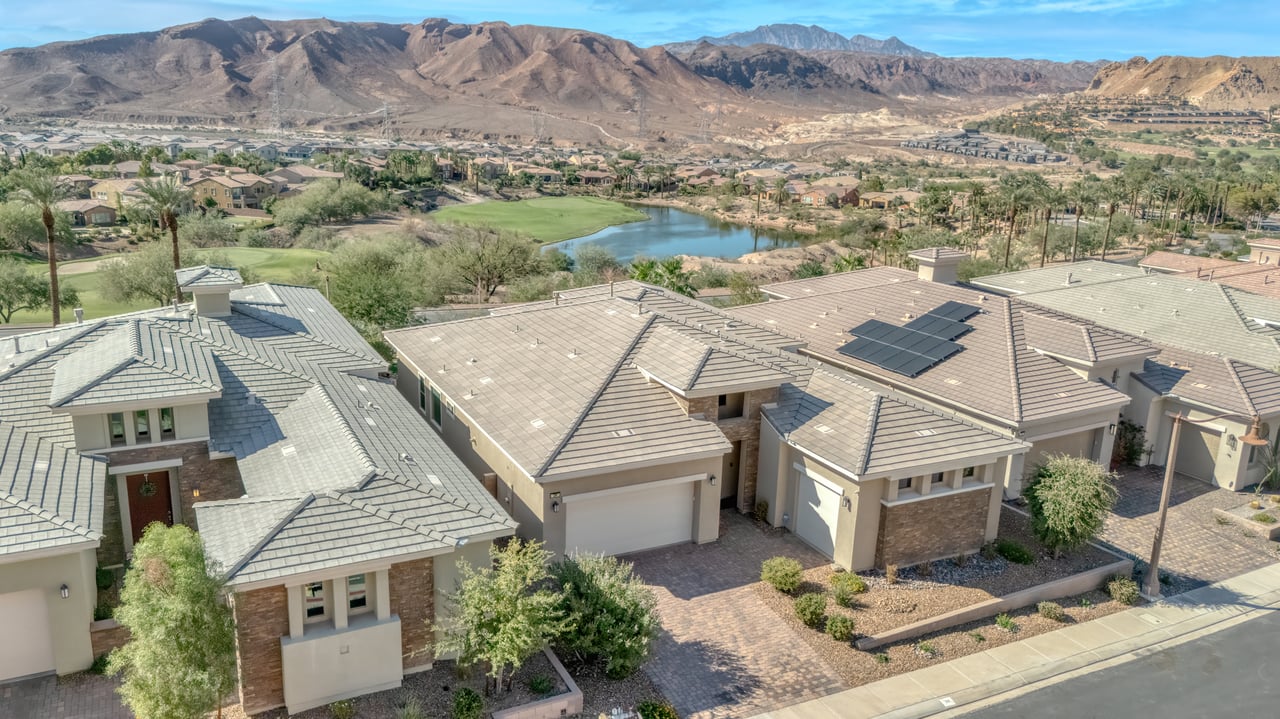
If your top goal is lower maintenance, a townhome or condo may be worth considering. While Barrington Hills itself tends to favor detached homes on larger lots, nearby communities may offer more attached housing or planned-subdivision options.
That said, lower maintenance does not always mean lower monthly cost. Condo fees and HOA dues are usually paid separately from your mortgage payment, and those dues can range from a few hundred dollars per month to more than $1,000 per month.
When you compare options, ask for the full monthly picture, including:
- Mortgage payment
- Property taxes
- HOA dues, if any
- Insurance
- Utility costs
- Maintenance or service costs
That total is what really tells you whether the move will improve your budget and your lifestyle.
Use nearby communities as comparison points
South Barrington
South Barrington can be useful if you want a more planned-subdivision setting. The village states that it has 44 subdivisions, and most have HOAs with covenants and restrictions.
It is important to note that many of those subdivisions still rely on private wells and septic systems, with only a few served by water and sewer. So even if the setting feels more structured, some of the property systems may still be similar to what you already know.
Inverness
Inverness is another nearby comparison for buyers who want a residential setting with larger lots. It is also mostly served by private wells and private septic systems.
Its building department notes that homeowners may need HOA approvals in addition to village approval for certain projects. If you want flexibility for future improvements, that is worth reviewing before you buy.
Barrington proper
If your goal is a more central village experience, Barrington proper may stand out. The village highlights its downtown, Metra station, municipal water and sewer services, public parking, and refuse and recycling services.
For some downsizers, that combination can offer a very different day-to-day routine. You may give up some land, but gain more convenience and municipal services.
North Barrington
North Barrington offers another point of comparison in the broader Barrington area. It is entirely in Lake County, with about 3,171 residents, about 1,100 homes, and just under 5 square miles.
For buyers comparing communities, this can help frame how scale, location, and county-level administration may differ across the area.
Look beyond price to carrying cost
One of the biggest mistakes downsizers make is focusing only on list price. In Barrington Hills, the better comparison is total carrying cost.
That is especially important because Barrington Hills spans Cook, Kane, Lake, and McHenry counties. Tax administration can vary by parcel, and tax calendars may differ depending on where the property sits.
For example, Cook County parcels follow Cook County timing, while parcels in the other counties follow their own county schedules. Cook County's first-installment due date for 2026 was April 1, 2026, while Lake County's 2025 real-estate tax calendar payable in 2026 showed bills mailed May 1, 2026, with installments due June 4 and September 4, 2026.
The point is simple: taxes are not just a village-wide number. They depend on the parcel, the county, assessments, and taxing districts.
Before you decide whether a home is truly a better fit, compare:
- Property taxes
- Insurance costs
- HOA dues, if applicable
- Utility expenses
- Waste service arrangements
- Lawn, snow, and exterior maintenance costs
- Well and septic upkeep, if applicable
A home with a lower price can still cost more to carry each month. A home with a higher price may feel simpler if it reduces regular upkeep and service demands.
Prepare your current home before you list
If you are selling before you buy, early preparation can make the move smoother. Consumer guidance notes that many people try to sell their current home before buying another one, and that homeowners should budget for repairs, property taxes, insurance, closing costs, moving costs, new furniture, and home improvements.
In Barrington Hills, the prep list should go a step further because many homes rely on private systems. Buyers will likely want clear information about how the property functions and what it costs to maintain.
Try to gather these items early:
- Well records
- Septic records
- Utility bills
- Waste service information
- HOA or subdivision documents, if applicable
- Notes on recent repairs or system servicing
Having this information ready can help buyers evaluate the property with more confidence. It can also reduce surprises once you are under contract.
Ask better questions before you buy
The right-size move is usually about more than square footage. It is about choosing a home that fits your next season of life.
As you compare properties, ask questions that reflect how you want to live. In Barrington Hills and nearby communities, these details can have a real impact on your comfort and monthly budget.
Questions worth asking
- Is a smaller single-family home a better fit than a townhome if you still want privacy?
- Will the property have HOA dues or HOA approval requirements?
- Is the home served by a private well and septic system, and when were they last serviced?
- Does the property tax bill vary because of the parcel's county?
- Can the property support the outdoor uses that matter to you, such as horses, outbuildings, or hobby-farm use?
Those questions can help you move past the surface details and focus on what daily ownership will really feel like.
Build a downsizing plan that fits Barrington Hills
A successful downsize in Barrington Hills is rarely about making the smallest move possible. It is about making the smartest move for your lifestyle, budget, and comfort.
For some homeowners, that means staying in Barrington Hills with a smaller single-family home and less upkeep. For others, it means comparing nearby communities that offer a different balance of services, structure, or maintenance.
Either way, the best results usually come from planning early, understanding the true carrying cost, and matching the property type to the life you want next. When you take that approach, right-sizing becomes a move toward clarity, not compromise.
If you are thinking about selling, buying, or doing both at the same time, The Jarnagin / Kohler Group can help you build a thoughtful plan for your next move with clear guidance and high-touch support.
FAQs
What makes downsizing in Barrington Hills different from other markets?
- Barrington Hills is largely residential with many larger parcels, private wells and septic systems, and a housing pattern that often favors detached homes, privacy, and outdoor use over denser housing options.
What housing type works best for downsizers in Barrington Hills?
- A smaller single-family home may suit you best if you want to keep privacy and land, while a townhome or condo may fit better if your top priority is reducing maintenance and you are comfortable with possible HOA dues.
What should Barrington Hills downsizers know about property taxes?
- Barrington Hills spans multiple counties, so tax administration and payment timing can vary by parcel, making it important to compare total carrying costs rather than looking at price alone.
What should sellers prepare before listing a Barrington Hills home?
- Sellers should gather well and septic records, utility bills, waste service details, and any HOA or subdivision documents so buyers have a clearer picture of the home's systems and ongoing costs.
What should buyers ask before purchasing a right-sized home near Barrington Hills?
- Buyers should ask about HOA dues or approvals, well and septic service history, county-based tax differences, and whether the property supports the level of privacy or outdoor use they want.