Dreaming of a place where horses, open land, and privacy are part of everyday life? In Barrington Hills, that vision is not just a lifestyle idea. It is built into the village’s identity. If you are exploring horse properties, acreage homes, or simply a quieter way of living near Chicago, this guide will help you understand what makes Barrington Hills stand out. Let’s dive in.
Why Barrington Hills Feels Different
Barrington Hills is about 40 miles northwest of Chicago, but it offers a very different setting from a typical suburban neighborhood. The village describes itself as a country-suburban community shaped by winding roads, mature trees, rolling hills, and large properties.
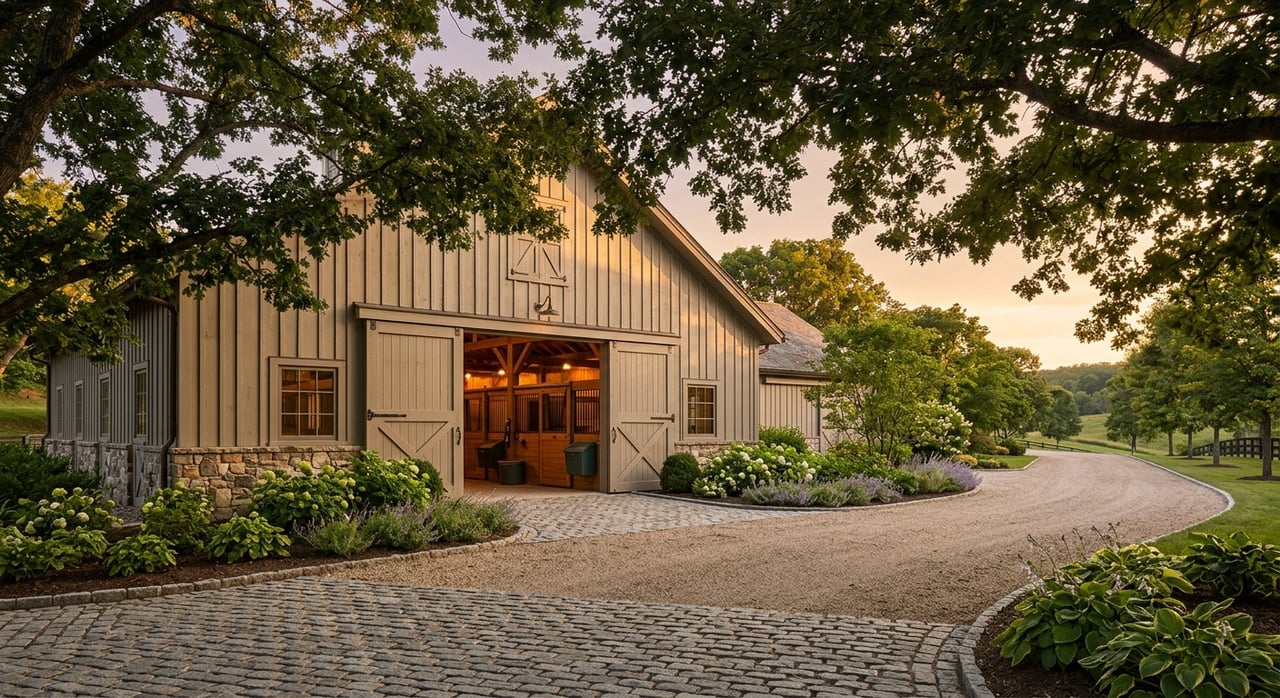
That setting is a major reason Barrington Hills is widely known as horse country. According to village materials, equestrian living is part of the local culture, with residents keeping horses on their own properties and a long-standing presence of barns, riding clubs, and horse events.
Why Barrington Hills Is Known as Horse Country
Barrington Hills does not treat horses as a niche interest. The village openly presents itself as Chicago’s horse country, with equestrian traditions woven into its land use, trail systems, and community identity.
For you as a buyer, that matters. It means horse ownership here is not an unusual exception. It is a recognized and supported part of daily life in the village.
Horses Are Part of the Landscape
The rolling terrain and open acreage create a natural fit for equestrian use. Village information highlights a network of private and public trails, horse-focused clubs, and horse-related traditions that help define the area.
That gives Barrington Hills a feel that is hard to replicate. You are not just buying a house with land. You are stepping into a place where equestrian living already has deep roots.
What Properties Usually Look Like
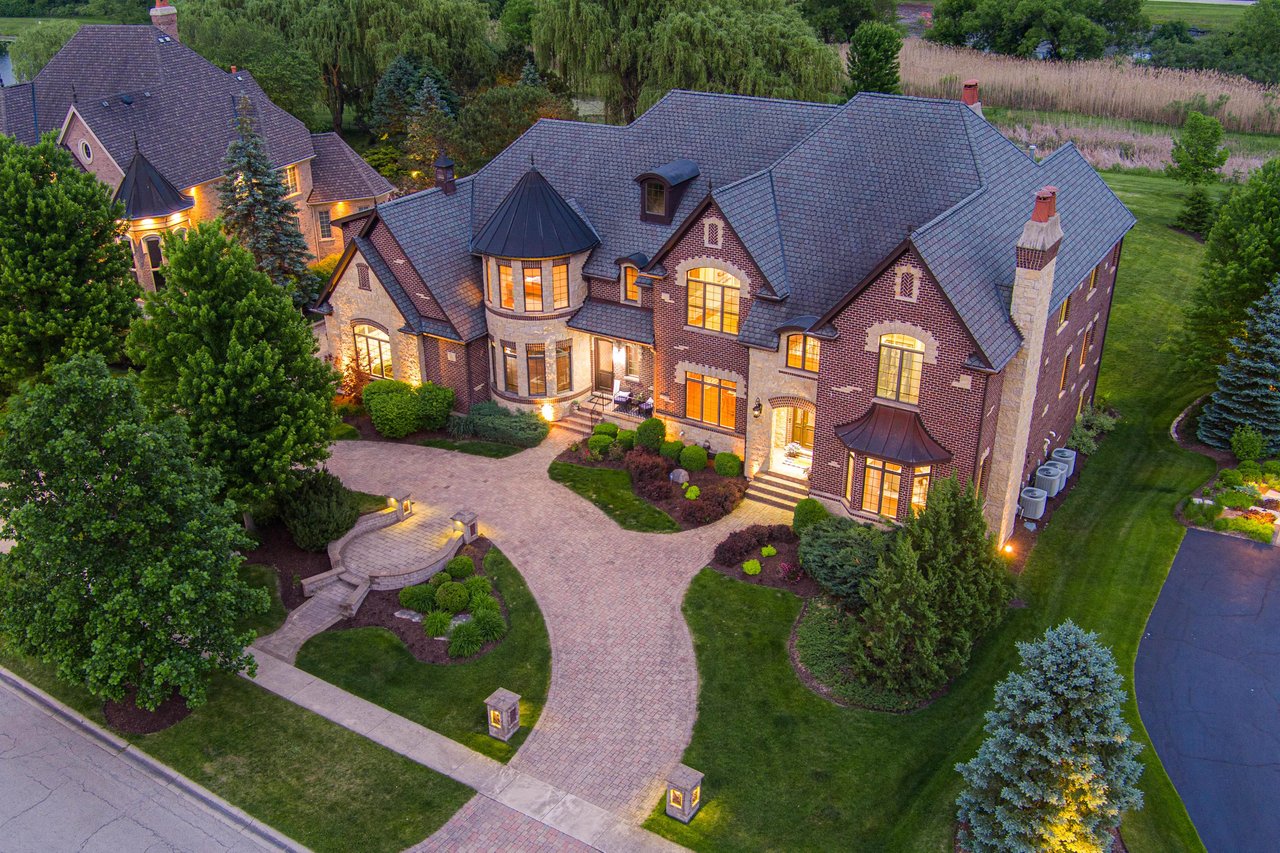
One of the biggest draws in Barrington Hills is the amount of space. The village says most parcels are 5 acres or larger, and property types range from small cottages to large estate homes.
That variety gives buyers more than one path into the market. Some properties appeal to active horse owners, while others attract buyers who simply want privacy, open land, and a more rural atmosphere.
Common Property Types for Buyers
If you are exploring Barrington Hills, you will often see properties that fit into a few practical categories:
- Acreage homes with room for a barn, paddock, or turnout area
- Existing horse properties with stables and fenced outdoor space
- Hobby-farm style parcels with room for animals and outdoor uses
- Estate properties where land, privacy, and natural surroundings are the main attraction
Village materials also note that residents may keep other state-allowed animals such as chickens, ducks, goats, alpacas, and bees. That broader flexibility can appeal even if horses are only part of your long-term plan.
What Zoning Means for Horse Owners
In Barrington Hills, acreage is not just a preference. It is a key part of how the village is planned. The zoning code ties many uses directly to lot size.
For residential districts, agriculture requires 5 acres. The code also defines stables as accessory buildings for keeping horses and requires stables to be on at least 5 acres in every residential district.
Residential Acreage Requirements
The zoning code allows single-family detached homes on:
- 5 acres in R1
- 3 acres in R2
- 2 acres in R3
- 1 acre in R4
If your goal is to keep horses on your property, lot size becomes one of the first things to confirm. A home may offer privacy and land, but the exact acreage still matters when you evaluate equestrian use.
Horse Boarding and Training
Barrington Hills also explicitly allows the boarding of horses in a stable. The training of horses and riders is permitted as a home occupation, subject to conditions meant to preserve neighborhood tranquility.
That is a meaningful detail for buyers. It shows that horse-related use is not treated as an awkward workaround. It is addressed directly in the local code.
Trails and Riding Access
A big part of the equestrian lifestyle is not just where your horse lives, but where you can ride. Barrington Hills stands out here as well.
The village says the area includes more than 150 miles of private and publicly owned trails across 3,800 acres of forest preserve. Village conservation materials also note that the Forest Preserves of Cook County maintain more than 4,722 acres of forest preserve within the village.
Barrington Hills Riding Center
The Barrington Hills Park District Riding Center is one of the area’s main equestrian hubs. Located at 361 Bateman Road, the 15-acre facility includes stalls, an indoor area, a large outdoor arena, a smaller warm-up arena, wash racks, a round pen, and trailer parking.
The Riding Center also offers convenient access to forest preserve trails. The park district notes that riders of all disciplines are welcome, though the facility is unsupervised and used at each rider’s own risk.
Spring Creek Equestrian Trails
Next to the Riding Center, you will find the Spring Creek Forest Preserve Equestrian Trails. For buyers, this adds another layer of practical riding access close to established local infrastructure.
The park district also makes an important distinction. The park district and the Cook County Forest Preserve District are separate organizations, and they have different rules and fees.
Horizon Farm Adds More Access
Barrington Hills also notes that Horizon Farm, a former equestrian estate in the village, has opened to the public with official trails for pedestrian, biking, and equestrian use. The site includes a new 1.2-mile loop trail and a spur connection to the Riding Club of Barrington Hills trail.
That expansion suggests the local trail network is still evolving. For buyers who value outdoor access, that is a strong sign of continued investment in open-space use.
Riding Rules to Know
If you plan to ride on Forest Preserves of Cook County trails, it helps to know that access is managed. According to the current equestrian application, riders must have a rider’s license, horses must have a Forest Preserves of Cook County tag, and riders must be at least 12 years old.
Permits are valid from July 1 through June 30 of the following year. The park district also shares trail etiquette such as staying on established trails, keeping to the right, and riding only at a walk, trot, or slow canter. Stallions are not permitted on trails.
Equestrian Culture Beyond the Property Line
Barrington Hills offers more than individual horse properties. The village identifies several horse-centered organizations that help support the local culture, including the Riding Club of Barrington Hills, the Barrington Hills Polo Club, and the Fox River Valley Pony Club.
That matters because equestrian living is often about community as much as land. In Barrington Hills, clubs and organized riding traditions help reinforce that sense of place.
Not Just for Serious Riders
You do not need to be a competitive rider to appreciate what Barrington Hills offers. Many buyers are drawn to the area for its privacy, conservation focus, and space to enjoy the outdoors.
Village materials highlight a wider lifestyle that includes birding, hiking, biking, kayaking, fishing, cross-country skiing, snowshoeing, and scenic rural roads. Even if you never own a horse, the same qualities that support equestrian living often appeal to open-space buyers too.
The Tradeoff of Acreage Living
Barrington Hills offers a lot of freedom, but it also asks more of homeowners than a standard suburban setting. The village does not provide water or sewer service, so most homes rely on private wells and septic systems.
There is also no municipal household waste pickup. Residents contract directly with private waste and recycling companies.
What Daily Life Can Involve
For you, that may mean a more hands-on ownership experience. Property upkeep, utility systems, and land management can require more attention than a smaller lot in a conventional subdivision.
For many buyers, that tradeoff is worth it. You gain more land, more privacy, and a stronger connection to the outdoors, while still being less than an hour from Chicago and near everyday suburban conveniences like shopping and dining.
Who Barrington Hills Often Appeals To
Barrington Hills can be a strong fit for several types of buyers. Some come specifically for horse keeping and riding access, while others are looking for a large property with room to breathe.
You may find the area especially appealing if you want:
- Space for horses or other state-allowed animals
- A property with acreage and flexible outdoor use
- Privacy and a more rural setting near Chicago
- Access to trails, forest preserve land, and open space
- A home that supports a lifestyle centered on land and nature
Buying With the Right Strategy
In a market like Barrington Hills, the details matter. Acreage, zoning, stable requirements, trail access, and the realities of well and septic living can all shape whether a property truly fits your goals.
That is why local guidance is so important. A home that looks ideal online may need closer review to confirm how it aligns with your plans for horses, recreation, or long-term land use.
If you are considering a move to Barrington Hills or preparing to sell a unique acreage or equestrian property, working with a team that understands lifestyle-driven real estate can make the process much clearer. To talk through your goals, schedule a complimentary market consultation with The Jarnagin / Kohler Group.
FAQs
Can you keep horses on your own property in Barrington Hills?
- Yes. Village materials say residents can house, raise, ride, and breed horses on their own properties, and the local code allows stables on lots with at least 5 acres.
Are there public places to ride horses in Barrington Hills?
- Yes. Barrington Hills highlights more than 150 miles of private and public trails, along with the Riding Center, Spring Creek Forest Preserve Equestrian Trails, and Horizon Farm trail access.
What lot size do you need for a stable in Barrington Hills?
- The zoning code requires stables to be on at least 5 acres in every residential district.
Is Barrington Hills only for active horse owners?
- No. Many buyers are also drawn to the area for privacy, open land, conservation, and room for hobby-farm or outdoor living.
What is different about daily homeownership in Barrington Hills?
- Most homes rely on private wells and septic systems, and residents arrange their own private waste and recycling service, so ownership can be more hands-on than in a typical suburb.